
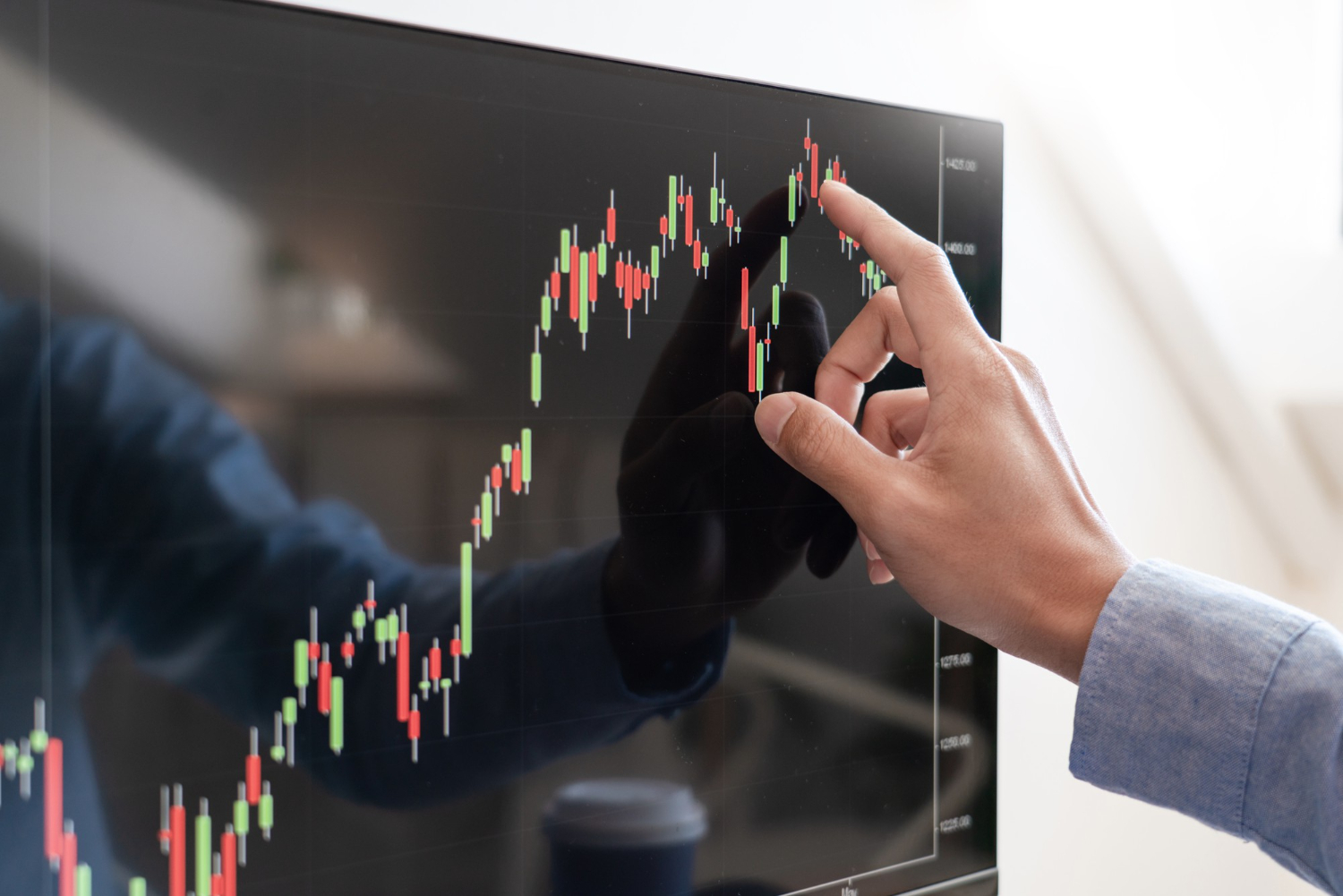
Surviving Trading Spread Volatility in the Philippine Market

Trading Spread

In the Philippine Stock Exchange (PSE), sudden spread volatility can erode profits overnight, turning calculated trades into costly lessons. For Filipino traders facing unique market drivers like liquidity surges and regulatory shifts, survival demands more than luck.

Discover essential strategies-from volatility indicators and volume profiles to position sizing, timing, and psychological resilience-that equip you to thrive amid uncertainty.

Understanding Spread Volatility in PSE

Spread volatility in the Philippine Stock Exchange (PSE) refers to fluctuations in bid-ask spreads that directly impact trading costs and execution prices. These changes occur when the difference between the highest buy price and lowest sell price widens or narrows. Traders face higher costs during widening periods, especially in the Philippine market.

Low liquidity in small cap stocks often drives this volatility. For example, shares like Jollibee Foods Corporation see spreads vary widely due to fewer orders. This makes entering or exiting positions more expensive for retail traders.

News events such as typhoon warnings can suddenly widen spreads as uncertainty rises. Market hours also play a role, with pre-open sessions showing much wider gaps. Economic data releases, like BSP rate decisions, add to these swings in the PSE index.

Experts note PSE average spreads run wider than global benchmarks due to market structure. Research from BSP working papers highlights market microstructure factors in the Philippines. Understanding these helps in risk management trading and surviving market swings.

Definition and Key Drivers

Bid-ask spread volatility measures how the difference between highest buy (bid) and lowest sell (ask) prices fluctuates during trading. The basic formula is Spread = Ask – Bid. In PSE, this shows up in stocks like Ayala Corporation with spreads ranging from narrow to wide within a session.

Penny stocks in the Philippine Stock Exchange often exhibit high volatility in these spreads. Key drivers include sharp drops in trading volume later in the day. Earnings announcements, such as those from SM Investments, typically cause spreads to expand significantly.

  • Volume often falls after midday, leading to wider spreads and slippage control challenges.
  • Holidays like Christmas bring reduced participation, widening gaps further.
  • Order imbalances, where buy or sell orders dominate, push spreads outward.
  • Examples from order books on platforms like COL Financial illustrate these shifts visually.

Traders can use stop-loss orders and position sizing to navigate these drivers. Focusing on order book depth aids in timing entries during stable periods.

Philippine Market Specifics

PSE spreads reflect unique features like market hours from 9:30AM to 3PM and T+2 settlement, plus a transaction tax. These differ from ASEAN peers and contribute to wider averages in the stock market Philippines. The market’s size and number of listed firms influence liquidity patterns.

Sector differences stand out: banks maintain tighter spreads, while mining stocks face wider ones due to volatility. Property firms fall in between. Institutional trades dominate much of the activity, per SEC reports.

  • Monsoon seasons often see increased spreads from weather disruptions.
  • Remittance peaks, tied to the OFW economy, can narrow spreads temporarily.
  • BPO sector volatility and typhoon impacts add layers to spread widening.

Practical steps include monitoring seasonality for volatility trading strategies. Diversification across sectors like blue-chips and REITs helps with capital preservation. PSE resources offer insights into these Philippine market dynamics.

Impact on Trading Strategies

Spread volatility transforms routine strategies, forcing day traders to shrink position sizes while swing traders must adapt holding periods. In the Philippine market, widening bid-ask spreads during events like elections or typhoons eat into profits quickly. Traders need to adjust to preserve capital in the Philippine Stock Exchange.

A simple strategy adaptation matrix helps navigate this. For day trading, avoid stocks with less than 100K daily volume to limit slippage. Swing trading works best by extending holds 3-5 days during volatility spikes, while scalping caps targets at 0.3% maximum per spread to stay viable.

Experts recommend focusing on top PSEi stocks for better liquidity. Swing traders can use weekly charts to filter noise from spread widening. Day traders benefit from limit orders only during low liquidity windows like midday.

Practical tools like transaction cost calculators from brokers aid planning. These show how round-trip costs double in volatile PSE sessions, pushing traders toward risk management like smaller position sizes.

Day Trading Vulnerabilities

PSE day traders face high spread costs during volatile sessions, eroding scalping profits quickly. Trading spread volatility in the stock market Philippines amplifies issues like slippage on gaps. Profits vanish without strict controls.

Key vulnerabilities include:

  • Slippage on gaps, such as JFC moving from 0.20 to 0.45, which raises entry costs sharply.
  • Market impact from orders like 10K shares shifting SMB prices noticeably.
  • Time decay in liquidity drops around midday, like 12:30-2PM sessions.

Solutions focus on top 20 PSEi stocks for depth. Use limit orders only and skip 11AM-1PM to dodge thin order books. This cuts exposure to slippage control failures.

A r/phinvest Redditor lost heavily in 2023 election volatility by ignoring these. Their large position in a mid-cap stock suffered massive slippage on gap opens. Sticking to blue-chips and timed entries could have saved the trade.

Swing Trading Adjustments

Swing traders must extend holds from 3 to 7 days during PSE spread widening, accepting higher round-trip costs. This approach suits market swings in the Philippine market. Patience helps capture fuller moves amid volatility.

Five key adjustments improve survival:

  • Target moves of 3% or more to cover spread costs.
  • Avoid earnings weeks when spreads balloon.
  • Switch to weekly charts for clearer trends.
  • Set position sizes at 2% portfolio risk maximum.
  • Trail stops at 2x ATR for dynamic protection.

For example, MER stock in Oct 2023 gapped down but filled after a 6-day hold. Traders using ATR trails locked gains despite initial spread widening. Weekly charts revealed the support level early.

Tools like TradingView setups for PSEi swings aid spotting these. Combine with position sizing and stop-loss orders to manage drawdowns. This builds resilience in volatility trading strategies.

Risk Management Essentials

Effective PSE trading demands volatility-adjusted risk rules, with position sizing capped at 1-2% account risk per trade. Traders in the Philippine market face spread volatility from bid-ask spreads and market liquidity shifts. Core framework includes max daily loss at 3%, weekly drawdown at 8%, and volatility scaling with 2.5x ATR multiplier.

BSP Circular 1074 mandates risk disclosure requirements for brokers, emphasizing capital preservation amid PSE index swings. Use stop-loss orders to enforce these limits during spread widening or typhoon market impacts. This protects against Forex volatility PH in USD PHP pairs.

Excel position sizing calculator uses the formula: Shares = (Account x Risk%) / (Entry – Stop). For a 500K account risking 1% (5K) on a stock at 100 with 95 stop, buy 1,000 shares. Adjust the ATR indicator to scale positions in volatile mining stocks PH or bank stocks PSE.

Integrate drawdown management by pausing trading after hitting limits. Combine with hedging strategies like real estate REITs for diversification PH stocks. This framework aids surviving market swings from BSP interest rates or election volatility PH.

Position Sizing Techniques

Use the fixed fractional method: Risk 1% of 500K account (5K) on JOLIBEE with 5% stop = 1,000 shares max. This controls exposure in trading spread volatility on the Philippine Stock Exchange. Compare three methods for PSE calculator: fixed % (1% risk), volatility parity (15-day ATR), Kelly Criterion (edge/volatility).

Fixed % suits beginners, risking steady account fraction per trade amid low latency trading needs. Volatility parity equalizes risk using 15-day ATR, ideal for blue-chip stocks like telecom stocks PH with Bollinger Bands signals. Kelly Criterion maximizes growth but demands proven edge in swing trading strategies.

MethodJFC (Shares)AC (Shares)SMB (Shares)
Fixed % (1% risk)1,0003,200800
Volatility Parity (15-day ATR)9002,800700
Kelly Criterion1,2003,500950

Stress test with 2020 COVID drawdown shows fixed % surviving 35% portfolio drop via slippage control. Formula remains Shares = (Account x Risk%) / (Entry – Stop) across COL Financial or BPI Trade platforms. Apply to intraday trading or scalping spreads for position sizing discipline.

Technical Tools for Spread Analysis

TradingView and COL Financial platforms offer 12+ indicators tracking PSE spread behavior in real-time. Pair TradingView Pro with a PSE data feed for low-latency monitoring of bid-ask spreads in the Philippine market. This setup helps traders spot spread widening during volatile sessions.

Essential tools include Level II data, Time & Sales, and DOM for order book depth. These reveal market liquidity and potential slippage in stocks like JFC or SMB. Integrate with MT4 from PH brokers for automated alerts on spread volatility.

Focus on PSE Academy resources for deeper skills in technical analysis. Practice on blue-chip stocks during market hours to refine risk management trading. This combination supports surviving market swings in the stock market Philippines.

Use these tools for position sizing and stop-loss orders. Monitor PSE index components to avoid high-frequency trading pitfalls. Consistent application builds confidence in volatility trading strategies.

Volatility Indicators

ATR(14) on PSEi averaged 1.8% daily in 2023, signaling spread widening above 2.2%. Set ATR(14) > 2% to avoid entries on JFC 5min charts during earnings. This volatility indicator flags high trading spread volatility in the Philippine Stock Exchange.

Bollinger Bandwidth > 0.15 indicates high vol for spread analysis. Combine with HV20 vs IV20 skew to gauge implied volatility shifts. Apply on telecom stocks PH for intraday trading insights.

Create a Custom Spread Volatility Index using PSEi high-low divided by close. Pine Script customizes this for real-time PSE tracking. Watch for spikes like MER earnings ATR spike to adjust hedging strategies.

Test these on TradingView with 5min timeframes for stocks like bank stocks PSE. Pair with stop-loss orders for capital preservation. Experts recommend layering indicators for better drawdown management in Forex volatility PH.

Volume Profile Usage

Volume Profile reveals PSE value areas where trading clusters tightly. Add Volume Profile Visible Range on TradingView for PSEi sessions. Identify POC, VAH, and VAL to map market liquidity.

Follow these steps: first, select the Visible Range on the chart. Second, spot POC bounces for entries. Third, use Fixed Range for daily sessions to trade support levels like SMB Volume Gap at 95.

  • Add Volume Profile Visible Range to your TradingView chart.
  • Locate POC/VAH/VAL levels for value areas.
  • Trade bounces from these zones with tight stops.
  • Switch to Fixed Range for session-specific analysis.

Pine Script for auto POC alerts enhances low latency trading. Apply to blue-chip stocks during PSE market hours. This aids slippage control and scalping spreads in financial trading PH.

Timing Entries and Exits

Optimal PSE entries occur 9:40-10:30AM (liquidity peak) avoiding 11AM-1PM dead zone with wider spreads. This window aligns with peak market liquidity in the Philippine Stock Exchange. Traders reduce trading spread volatility by entering during high-volume hours.

Create a daily timing matrix for consistent results. Focus on entry windows like 9:40-10:15AM and 2:00-2:30PM. These periods offer tighter bid-ask spreads for intraday trading in blue-chip stocks.

For exits, use trail ATRx2 stops to lock profits amid swings. Always close positions by 2:45PM to avoid end-of-day spread widening. This approach supports risk management trading in the PSE index.

Watch for patterns like hammer or doji at VWAP for potential bounces. Pre-market scanners on COL Financial at 8:30AM provide early quotes. Reference hourly transaction volume charts for timing edges in stock market Philippines.

Daily Timing Matrix

Build a daily timing matrix to navigate PSE market hours. Entry windows from 9:40-10:15AM capture morning momentum after the 9:30AM open. Afternoon slots like 2:00-2:30PM suit scalping spreads in bank stocks PSE.

Avoid the 11AM-1PM lull when market liquidity drops and spreads widen. Use this matrix for intraday trading or swing trading strategies. Adjust for economic indicators PH like BSP interest rates.

Time WindowTypeKey Focus
9:40-10:15AMEntryHigh volume, tight spreads
2:00-2:30PMEntryAfternoon recovery plays
AnytimeExitTrail ATRx2 or by 2:45PM
11AM-1PMAvoidDead zone, wide spreads

This table simplifies decisions for surviving market swings. Test it on platforms like COL Financial or BPI Trade. Combine with VWAP for better slippage control.

Entry Patterns and Signals

Spot candlestick patterns like hammer or doji at VWAP for reliable entries. These often signal bounces in Philippine market volatility. Pair with volume profile for confirmation.

In mining stocks PH or telecom stocks PSE, these patterns shine during volatility trading strategies. Enter after 9:40AM when liquidity supports the move. Use RSI divergence for added edge.

Pre-market quotes from COL Financial at 8:30AM flag setups. Scan for order book depth to gauge market makers PH activity. This method aids position sizing and capital preservation.

Experts recommend backtesting these on TradingView PH scripts. Avoid forcing trades outside peak windows. Focus on blue-chip stocks for lower spread widening risks.

Psychological Discipline in Volatility

A PinoyInvestor survey from 2023 found that 76% of PSE retail traders abandon systems during 20%+ drawdowns. This highlights the need for psychological discipline amid trading spread volatility in the Philippine market. Strong mental habits help traders survive swings in the PSE index and Peso trading pairs.

Disciplines like pre-defining rules and journaling trades build resilience against market liquidity shocks. During events such as typhoon impacts or BSP interest rate changes, these practices prevent emotional decisions. They focus on capital preservation over chasing quick gains.

In the stock market Philippines, volatility trading strategies demand routine checks and accountability. Traders who stick to plans navigate spread widening and slippage control better. This approach turns high-stress periods into opportunities for steady progress.

Below are six key disciplines tailored to Philippine trading conditions. Each includes local examples to make them actionable for surviving market swings.

  • Pre-define max loss: Set a firm limit, like a 15% rule during the 2022 election volatility. This protected portfolios from PSE index drops tied to political stability PH.
  • Journal every trade: Record details after each one, such as analyzing a 50K loss in MER during spread widening. Review helps spot patterns in bid-ask spread behavior.
  • 15-min cool-off timer: Pause trading for 15 minutes after a loss to reset. Useful in Forex volatility PH sessions with rapid USD PHP spread changes.
  • Position size halving after 3 losses: Cut exposure in half following three consecutive setbacks. This aids position sizing in low latency trading amid BPO sector volatility.
  • Weekly review Sundays: Assess the week’s trades every Sunday. Aligns with PSE market hours and prepares for economic indicators PH like inflation Philippines data.
  • r/phinvest accountability partner: Pair with a fellow trader from the forum for mutual check-ins. Shares insights on mining stocks PH or real estate REITs during remittance flows shifts.

COVID Crash Survival Checklist

The COVID market crash PH tested traders with lockdown trading chaos and Omicron volatility. A simple checklist ensures drawdown management during such events. It emphasizes stop-loss orders and hedging strategies.

  • Confirm stop-loss orders are active on blue-chip stocks like Meralco.
  • Reduce leverage risks in margin trading PH positions.
  • Check broker commissions PH on platforms like COL Financial.
  • Review order book depth for slippage control in bank stocks PSE.
  • Diversify into dividend yields PH from telecom stocks PH.
  • Avoid news trading PH knee-jerk reactions to Delta variant PH updates.

This checklist helped many endure the vaccine rally PSE and hybrid work BPO shifts. Regular use builds habits for any volatility index PH spike. Focus on long-term survival over short-term panic.

Frequently Asked Questions

What is trading spread volatility in the Philippine market?

Trading spread volatility in the Philippine market refers to the fluctuating difference between the bid and ask prices of securities, such as stocks on the Philippine Stock Exchange (PSE) or Forex pairs involving the Philippine Peso (PHP). Surviving trading spread volatility in the Philippine market requires understanding how economic events, liquidity changes, and global influences like US Fed decisions widen these spreads, impacting trade execution costs.

How does surviving trading spread volatility in the Philippine market affect retail traders?

Surviving trading spread volatility in the Philippine market is crucial for retail traders as widened spreads during high volatility periods, like PSE index swings or PHP Forex movements, can erode profits through higher transaction costs. Retail traders can mitigate this by avoiding trades during low-liquidity hours, such as Asian session overlaps, and using limit orders to control entry prices.

What causes trading spread volatility in the Philippine market?

Key causes of trading spread volatility in the Philippine market include local events like Bangko Sentral ng Pilipinas (BSP) policy announcements, typhoon disruptions affecting market participation, and external factors such as oil price shocks or US-Philippine trade tensions. Surviving trading spread volatility in the Philippine market involves monitoring these triggers via PSE data and economic calendars to time trades effectively.

What strategies help in surviving trading spread volatility in the Philippine market?

Effective strategies for surviving trading spread volatility in the Philippine market include employing volatility-adjusted position sizing, trading during peak PSE hours (9:30 AM to 12:00 PM and 2:30 PM to 3:00 PM PHT), and using brokers with tight spreads on PHP pairs. Additionally, incorporating stop-loss orders scaled to average true range (ATR) helps manage risks during volatile PSE sessions.

Which tools are best for surviving trading spread volatility in the Philippine market?

Top tools for surviving trading spread volatility in the Philippine market are real-time spread monitors on platforms like MetaTrader 4/5 integrated with PSE feeds, volatility indicators such as Bollinger Bands, and alert systems for BSP news. These enable traders to pause during extreme spreads, ensuring better execution in the often illiquid Philippine Forex and stock markets.

How can beginners start surviving trading spread volatility in the Philippine market?

Beginners can start surviving trading spread volatility in the Philippine market by practicing on demo accounts with PSE-linked brokers, studying historical spread data during events like elections or remittances peaks, and focusing on high-volume blue-chip stocks like SM or JFC. Building discipline through small live trades during stable periods lays the foundation for handling volatility.


The Role of MT5 in Automating Forex Strategies in the Philippines

MT5

In an era where precision and speed dictate success in Forex trading, MetaTrader 5 (MT5) stands out as a powerful ally for traders in the Philippines. As the local market evolves, understanding how MT5 can automate strategies becomes crucial for gaining a competitive edge. This exploration delves into MT5’s key features, the current trading landscape, and real-life success stories, revealing how this platform can transform trading practices and enhance performance in a volatile market. Curious about the future of Forex in the Philippines? Let’s dive in.

Overview of MetaTrader 5

MT5 offers advanced analytical capabilities through features such as an expanded set of technical indicators, multiple timeframes, and sophisticated charting tools that enable traders to analyze price patterns and market trends for more knowledge-based decision making. This trading software also supports multi-asset trading, which includes various financial instruments like currency pairs, making it an ideal choice for comprehensive financial market analysis.

The user interface of MT5 is intuitive and user-friendly, providing customizable charts and layouts that traders can adjust according to their individual trading styles. With features like order execution speed and trading logs, MT5 ensures efficient trade analysis and performance optimization.

The platform supports various types of orders, including market, limit, stop-loss orders, and take-profit orders, accommodating a wide range of trading strategies. This versatility is crucial for margin trading and managing trading risk effectively.

Additionally, the MetaEditor provides a convenient environment for creating, editing, and compiling algorithms, which is essential for developing trading robots, trading bots, and signals that facilitate automated trading systems and algorithmic trading.

Collectively, these features enable traders to enhance their strategies, minimize risks with robust risk management tools, manage trades more efficiently, and improve overall trading performance by enabling rapid responses to market fluctuations and leveraging computational finance techniques.

Importance in Forex Trading

More than 80% of Forex traders utilize institutions and platforms that leverage MT5, underscoring its essential role in enabling automated strategies to maximize trading efficiency.

MT5’s advanced automation features allow traders to employ Expert Advisors (EAs), which can automatically execute trades, close positions, or send alerts based on pre-set algorithms. This functionality reduces the need for manual monitoring and enhances accuracy, essential for strategy optimization and trading efficiency.

Additionally, MT5 has a vibrant community of users who share their experiences and strategies through community forums, making the learning curve easier for newcomers. The integration of EAs also enables users to backtest strategies using historical prices, ensuring they refine their approach before entering live trading markets.

Overall, employing MT5 can significantly enhance the efficiency of Forex trading operations.

Forex Trading Landscape in the Philippines

The Forex trading landscape in the Philippines has rapidly evolved, marked by increasing participation from retail traders and a growing number of online trading platforms. Forex education and investment strategies are becoming vital components as traders explore trading psychology and wealth management.

Current Market Trends

Recent trends show a 25% year-over-year increase in retail Forex trading volumes in the Philippines, fueled by technological adoption and enhanced market access through desktop trading and mobile trading applications.

This surge can be attributed to the proliferation of mobile trading platforms, which enable traders to engage with the market from virtually anywhere. For example, applications like MetaTrader 5 offer comprehensive trading features right at the traders’ fingertips, enhancing liquidity and market depth analysis.

Demographic shifts reveal that younger individuals, particularly millennials, are entering the market, drawn by its accessibility and potential for profit, with many adopting day trading and swing trading strategies.

Additionally, global economic factors, such as fluctuating currencies and interest rates, significantly influence local trading behavior, prompting traders to adjust their strategies in response to international events.

Regulatory Environment

The regulatory landscape for Forex trading in the Philippines is overseen by the Securities and Exchange Commission (SEC), which ensures compliance and protection for traders.

This regulatory framework requires Forex brokers to obtain a license from the SEC, which entails meeting capital requirements and adhering to strict operational guidelines.

To enhance consumer protection, measures such as segregating client funds are enforced to mitigate risk. These regulations not only foster trust but also promote responsible trading behavior.

As a result, traders are more likely to engage with licensed brokers who comply with SEC standards, thereby enhancing the overall stability and integrity of the Forex market in the Philippines.

Features of MT5 for Forex Automation

MT5 provides advanced features for Forex automation, including algorithmic trading and the ability to develop customized indicators tailored to specific trading strategies.

Algorithmic Trading Capabilities

MT5 supports the MQL5 programming language, allowing traders to create, backtest, and run complex trading bots that automatically execute trades based on market conditions.

To use MT5 effectively, a trader should first select a trading strategy, such as the Moving Average Crossover strategy. This strategy can be programmed using the MQL5 language, with parameters set for the periods of the moving averages involved, allowing for precise pip calculation and spread analysis.

Next, traders can utilize the built-in Strategy Tester in MT5 to backtest their chosen strategy. They can import historical price data into the platform and run tests over specific time periods to assess the strategy’s past performance. For instance, if a trader decides to backtest a Moving Average Crossover strategy using a 50-day moving average and a 200-day moving average, MT5 will generate results that can be analyzed for key metrics such as win rates, drawdowns, and profit ratios, contributing to effective trading system development.

Additionally, traders can employ Expert Advisors to automatically execute trades based on the selected strategy parameters, ensuring that trades are executed under optimal conditions, aligning with their trading objectives and performance metrics.

Custom Indicators and Scripts

Traders have the ability to create custom indicators in MT5, allowing them to incorporate unique metrics and analyses into their trading experience.

Developing a custom indicator in MT5 requires using the MQL5 programming language to create a script that defines the logic and mathematics behind the new metric. The development process begins with identifying the data points that are crucial for a specific trading strategy, integrating trading algorithms and economic indicators. For example, a trader may choose to create a custom metric based on moving averages or volume changes.

To illustrate, a trader might develop a “Custom Momentum Indicator” that determines momentum by averaging the RSI and MACD values, producing a value that signals whether to buy or sell.

Once the custom indicator is developed and thoroughly tested, it can be imported into the MT5 platform for real-time use. This functionality enables traders to access specific metrics tailored to their strategies, enhancing their analyses and potentially leading to improved trading outcomes, bolstering their investment portfolio management.

Benefits of Using MT5 in Forex Strategies

The use of MT5 in Forex strategies enhances trading efficiency and offers more comprehensive risk management tools to help preserve capital.

Enhanced Trading Efficiency

MT5 can reduce the time spent on manual trading by up to 50%, allowing traders to focus on enhancing their overall strategies and conducting market analysis rather than on routine tasks. This efficiency aids in strategy development and trading automation.

Trade executions are automatically triggered by predefined parameters, which helps to streamline decision-making. For instance, a trader using MT5 programmed an Expert Advisor to execute trades automatically as soon as key market signals were met. This trader reported a 30% increase in profit margin over three months, highlighting a significant reduction in the errors commonly associated with manual trading, emphasizing the importance of trading tutorials in mastering these techniques.

Additionally, traders can improve their strategies by analyzing historical data using MT5’s built-in analytics tools, contributing to effective order execution and strategy optimization.

Risk Management Tools

MT5 provides robust trading tools for risk management, including trading stops, risk-to-reward ratio tools, and position sizing calculators to help traders minimize losses. These tools are indispensable for managing trading costs and ensuring successful Forex market analysis.

To set up trailing stops in MT5, users can right-click on an active trade, select “Trailing Stop,” and then choose their desired distance. This automated feature ensures profits are secured by adjusting the stop loss in line with market movements.

Additionally, risk-to-reward ratio tools are available through built-in indicators, allowing users to input their preferred entry and exit points to visualize potential gains versus losses.

Position sizing tools help traders calculate the appropriate amount of capital to risk on a specific trade, ensuring that no single loss significantly impacts the overall trading account. This practice is crucial for achieving long-term trading success and maintaining execution speed efficiency.

Challenges in Implementing MT5

While the challenges of MT5 for Forex trading are relatively minor compared to its advantages, they can still pose difficulties for new traders and may hinder them from fully utilizing the platform’s capabilities, impacting their leverage and overall trading efficiency.

Technical Barriers for New Traders

New traders often encounter a steep learning curve when using MT5, particularly in mastering its advanced features and navigating the platform’s complex user interface.

To ease this process, it is recommended that they start by learning the basics, beginning with the platform layout.

  • The Market Watch section displays live prices for easy access, while the Navigator allows users to access their expert advisors (EAs) and indicators, facilitating better account management and strategy development.

The next step is to set up demo accounts, as MT5 enables traders to open multiple demo accounts for safe practice.

Finally, utilizing the MetaTrader 5 Community forum can be highly beneficial. New traders can seek advice, share their trading strategies, and learn from the experiences of others, all of which contributes to developing their skills and boosting their confidence in trading successfully, integrating into the broader trading community.

Market Volatility Considerations

The natural volatility of Forex markets requires traders to exercise caution when using MT5 for automated trading strategies to avoid unexpected losses. Understanding Forex market volatility is crucial for effective strategy implementation.

To mitigate risks during periods of high volatility, traders can implement several strategies.

  • Utilize a trailing stop-loss feature to secure profits while still allowing room for the trade to move upward.
  • Consider reducing your position size, as this can help limit potential losses in the event of a market trend reversal or erratic fluctuations.
  • Staying informed by using tools such as economic calendars and news alerts can also help you anticipate potential spikes in volatility. Forex market analysis is key to staying ahead.
  • Furthermore, it is essential to backtest your strategies under various market conditions to understand how they might perform during times of market turmoil, ensuring that your automated system, including forex robots, remains safeguarded against the market’s inherent unpredictability.

Case Studies: Successful Automation in the Philippines

Forex education plays a pivotal role in success.

Many traders in the Philippines have successfully utilized the features of MT5 to enhance their Forex trading strategies and boost their profits.

Local Traders’ Experiences

Traders like Jose, who utilized the algorithmic trading features of MT5, reported a 40% increase in their monthly returns after automating their strategies. Programming languages such as MQL5 can enhance algorithm development.

Another trader, Emily, combined TradingView with MT5 to enhance her technical analysis and backtesting efforts. By implementing a strategy based on Fibonacci retracement levels, she improved her win rate by 30%. Emily emphasized the importance of alerts and notifications on TradingView, which enabled her to react swiftly to market movements.

Meanwhile, John experienced success with NinjaTrader’s automated strategies, achieving a 50% increase in his trading volume. His key takeaway was the necessity of continuously monitoring and optimizing algorithms, including social trading strategies, to adapt to changing market conditions.

Impact on Trading Performance

Automation using MT5 has been shown to significantly enhance trading performance metrics, with users reporting reduced drawdowns and improved win ratios.

For example, case studies indicate that traders employing automated strategies on MT5 achieved a return on investment (ROI) of up to 45% over six months, compared to an average of 25% for manual traders.

Notably, these automated setups often reported win rates exceeding 75%, while significantly reducing the average drawdown to just 15%.

Tools such as Expert Advisors (EAs) facilitate these impressive results by executing trades based on predefined criteria, streamlining the decision-making process and allowing for faster responses to market changes. This level of automation not only optimizes performance but also saves valuable time. Utilizing trading signals can further enhance decision-making.

Future of MT5 in the Philippine Forex Market

The future of MT5 in the Philippine Forex market appears promising, driven by emerging trends and innovations as technology continues to evolve. System integration will be a key factor in this evolution.

Emerging Trends and Innovations

Emerging trends, such as AI-driven trading algorithms and advanced data analytics, are poised to revolutionize how traders utilize MT5 in the coming years.

AI-driven trading algorithms will enable users to analyze vast datasets rapidly and make informed decisions based on real-time market conditions. Utilizing trading indicators effectively will be crucial.

Platforms like MetaTrader 5 are increasingly incorporating machine learning tools, such as Tradeworx and Amibroker, which allow traders to develop personalized strategies.

Additionally, advancements in mobile trading mean that traders can now execute orders on the go, with apps offering features like touch-based charting and instant alerts, enhancing the ability to manage market orders efficiently.

These improvements aim to enhance the overall user experience by making trading more intuitive and accessible.

Potential Growth Opportunities

The Philippine Forex market is poised for growth, driven by increasing institutional interest and innovative financial technology that create new opportunities for MT5 traders. This growth is evident in several ways, including the rise of Forex tutorials aimed at new traders.

The integration of advanced analytical tools with MT5 allows traders to implement strategies more effectively by leveraging real-time data. Additionally, emerging technologies such as AI-driven algorithms enhance trading accuracy and help institutional players maintain a competitive edge.

Furthermore, shifting demographics-particularly the rise of younger, technology-savvy traders in the Philippines-are expected to lead to greater usage of online trading platforms, resulting in a more dynamic and diverse market environment.

Institutions should consider forming partnerships with fintech companies to capitalize on these opportunities.

Conclusion

For Filipino traders seeking to revolutionize their Forex strategies, MT5 offers unparalleled automation capabilities, advanced analytical tools, and robust risk management features. As the Philippine Forex market continues to grow, embracing MT5’s innovative solutions, from AI-driven algorithms to customizable indicators, can provide a decisive edge in navigating market volatility. The platform’s proven success stories and emerging trends highlight its potential to transform trading performance. Whether you’re a beginner or an experienced trader, MT5 equips you with the tools to automate, optimize, and thrive in the dynamic world of Forex trading. 

Sweet Dreams Await: Selecting the Perfect Pillowcase for Restful Nights

goose feather pillow

A restful night’s sleep begins not just with a comfortable mattress, but also with the right pillowcase. The fabric that cradles your head can significantly impact sleep quality, skin health, and even allergy management. In this guide, we delve into essential factors such as material choices, sizing compatibility, and thread count, while also addressing specific needs like hypoallergenic options. Discover how selecting the perfect pillowcase can transform your nightly routine into a sanctuary of comfort and rejuvenation.

The Importance of Sleep Quality

Research indicates that quality sleep can enhance productivity by as much as 20% and significantly reduce stress levels. Selecting the appropriate pillowcase is integral to achieving improved sleep quality.

Materials such as silk can decrease friction on the skin and hair, thereby minimizing the likelihood of breakouts and tangles.

Cotton, particularly breathable varieties, is effective in regulating temperature, ensuring a cool sleeping environment throughout the night. For individuals who suffer from allergies, hypoallergenic options are advisable, as they can diminish irritants in the sleeping environment.

According to a study conducted by the National Sleep Foundation, optimizing sleep conditions, including the selection of pillowcase fabrics, can contribute to deeper sleep cycles, thereby enhancing overall daily performance.

Materials Matter

Selecting the appropriate material for your pillowcase is essential for optimizing comfort and facilitating a restful sleep environment.

Cotton vs. Satin

Cotton pillowcases are available in a price range of $20 to $150, depending on their quality, while satin pillowcases typically begin around $30 and can reach up to $200 for luxury options.

When comparing cotton and satin, it is important to consider factors such as breathability and moisture-wicking properties. Cotton is well-regarded for its breathability, making it particularly suitable for warmer climates; in contrast, satin provides a silky texture but may retain heat.

Regarding maintenance, cotton pillowcases are generally machine-washable and known for their durability, while satin pillowcases require gentle washing to preserve their luster.

High-quality cotton options, such as those from Brooklinen, priced at $60, offer both softness and durability. On the other hand, luxury satin varieties from Slip, priced at $80, promise a sumptuous sleeping experience.

The choice between these options should be guided by the specific climate and individual sensitivity to temperature.

Bamboo and Other Alternatives

Bamboo pillowcases are gaining increasing popularity due to their hypoallergenic properties and environmentally friendly production methods, typically priced between $30 and $100.

Plus bamboo, silk pillowcases provide distinct advantages, such as minimizing friction on hair and skin, which can aid in preventing split ends and reducing the appearance of wrinkles.

The care requirements for both materials differ: bamboo can be washed in a machine on gentle cycles, whereas silk necessitates hand washing or dry cleaning to maintain its luster.

The environmental implications are noteworthy; bamboo grows rapidly and requires less water, rendering it a sustainable option, while conventional silk production can be resource-intensive.

When selecting eco-friendly bedding, it is important to consider these factors to ensure a balance between quality, comfort, and sustainability.

Pillowcase Sizes and Compatibility

Understanding pillowcase sizes is essential to ensure compatibility with your pillows and to maximize comfort for a restful sleep experience.

Standard vs. King Sizes

Standard pillowcases are typically sized at 20×26 inches for standard pillows and 20×36 inches for king-sized pillows, which significantly impacts fit and comfort. Selecting the appropriate pillowcase size is crucial for maintaining optimal sleep comfort.

For standard pillows, it is advisable to choose a 20×26 inch case to ensure a snug fit, preventing issues such as slipping and bunching. Conversely, king-sized pillows, which are well-suited for larger beds or for individuals requiring additional head and neck support, necessitate a 20×36 inch case to provide adequate coverage.

When making a selection, it is important to consider both your mattress size and personal preferences; for those who tend to move during the night, a looser fit may be more advantageous. Additionally, the choice of materials, such as cotton or bamboo, can influence temperature regulation and texture, thereby enhancing the overall sleep experience.

Choosing for Specialty Pillows

Specialty pillows, such as those designed for neck support or travel, often necessitate custom-sized pillowcases to ensure an appropriate fit and optimal support.

When selecting pillowcases for specialty pillows, it is essential to consider both the material and size. For travel pillows, lightweight and breathable fabrics such as cotton or microfiber are recommended, as they enhance comfort during extended journeys.

Neck support pillows frequently feature unique shapes, which may require specific contours or removable covers to accommodate their design.

It is advisable to seek brands that provide specialty sizes or adjustable options. For instance, the Coop Home Goods adjustable neck pillow includes a removable cover that conforms to its distinctive shape, offering a versatile solution tailored to individual sleep requirements.

Thread Count Explained

Thread count is an important metric that can significantly affect the feel and durability of pillowcases, typically ranging from 200 to 1500.

What is Thread Count?

Thread count refers to the number of threads woven into a square inch of fabric, which can significantly influence both softness and durability. A higher thread count typically indicates a denser, softer fabric that enhances comfort and longevity.

For example, pillowcases with thread counts ranging from 300 to 600 are generally regarded as high-quality and provide a luxurious experience.

Brands such as Brooklinen offer a 480-thread-count percale pillowcase, known for its crisp finish, while their 600-thread-count sateen option made from Egyptian Cotton provides a plush, silky texture.

It is essential to consider thread count in conjunction with other attributes, such as material and weave type, to ensure an optimal sleep experience.

Finding the Right Balance

The optimal thread count for pillowcases typically ranges between 300 and 600, achieving a suitable balance between softness and breathability.

For cotton pillowcases, a thread count of 400 provides a luxurious feel while still ensuring adequate breathability. If durability and wrinkle resistance are priorities, one may consider blends such as cotton-polyester, which perform effectively at a thread count of approximately 300.

For environmentally conscious choices, organic cotton pillowcases often feature a lower thread count but still maintain softness and comfort. Evaluating a variety of options can assist in identifying the best fit for individual sleep preferences, thereby enhancing overall sleep quality.

Allergies and Skin Sensitivity

For individuals with allergies or sensitive skin, selecting the appropriate pillowcase can substantially minimize irritation and enhance sleep quality.

Hypoallergenic Options

Hypoallergenic pillowcases are specifically engineered to resist dust mites and other allergens, typically ranging in price from $20 to $80.

When selecting hypoallergenic materials, silk is an excellent choice due to its smooth texture and natural resistance to dust mites. Alternatively, bamboo is recognized for its breathability and moisture-wicking properties.

For instance, the LUCID Ultra Soft Bamboo Pillowcase is highly rated and available for approximately $25, while the SLUMBERLUX Silk Pillowcase, priced around $60, provides exceptional softness.

It is advisable to choose options that are machine washable and free from harmful chemicals, thereby enhancing both comfort and safety while promoting a healthier sleep environment.

Benefits for Sensitive Skin

Utilizing a pillowcase crafted from breathable and moisture-wicking materials can significantly enhance comfort and reduce skin irritation. Selecting fabrics such as bamboo, silk, or microfiber can provide substantial benefits for individuals with sensitive skin.

Bamboo pillowcases possess natural antibacterial and hypoallergenic properties, which help to minimize allergens and potential irritation. Silk pillowcases offer a smooth surface that reduces friction, thereby preventing hair breakage and allowing the skin to retain moisture effectively. Additionally, microfiber is breathable and less likely to harbor dust mites.

By transitioning to these materials, individuals can not only improve their overall sleeping experience but also promote healthier skin, thereby minimizing the risk of breakouts and discomfort.

Maintenance and Care

Proper maintenance of pillowcases is essential for ensuring their longevity and sustained comfort.

Care instructions may vary depending on the specific material used in the pillowcases.

Washing and Drying Tips

To ensure optimal care, it is recommended to launder cotton pillowcases in cold water and dry them on a low heat setting to prevent shrinkage and wear, ideally on a weekly basis.

In the case of stained pillowcases, it is advisable to pre-treat the stains with a mixture of baking soda and water, allowing the fabric to soak for 30 minutes prior to washing. It is important to avoid the use of fabric softeners, as they can gradually break down the cotton fibers over time.

For white pillowcases, a diluted solution of hydrogen peroxide may be employed to maintain brightness without the use of harsh chemicals. Additionally, rotating pillowcases on a weekly basis will help to distribute wear evenly and extend their lifespan.

Adhering to this straightforward routine will help keep your pillowcases fresh and comfortable for an extended period.

Longevity of Pillowcases

High-quality pillowcases can endure for up to five years when properly maintained, making them a valuable investment for enhancing sleep quality.

To optimize the lifespan of pillowcases, it is essential to consider factors such as material composition, washing practices, and environmental conditions.

  • For example, cotton pillowcases are known for their durability and breathability; however, they should be laundered in cold water to prevent shrinkage.
  • In contrast, silk pillowcases, which offer a luxurious experience, necessitate careful handling and should ideally be hand-washed or placed in a mesh bag when washed in a machine.

Pillowcases should be stored in locations that are shielded from direct sunlight and humidity to prevent deterioration. Additionally, regularly inspecting for signs of wear and replacing them as needed can contribute to a more comfortable and enduring investment in sleep quality.

Safeguarding Your Investment: Exploring Car Loan Costs for Comprehensive Coverage

calculating car loan

Navigating the landscape of car loans can be as complex as the vehicles themselves. Understanding the costs associated with financing and insurance is crucial for protecting your investment. This article delves into the essentials of car loan basics and the importance of comprehensive coverage, while also exploring various loan types, interest rates, and hidden fees. Equip yourself with the knowledge to make informed decisions and maximize your financial security on the road ahead.

Understanding Car Loan Basics

Car loans generally involve the borrowing of funds to facilitate the purchase of a vehicle, with repayment periods typically spanning from 36 to 72 months. The interest rates associated with these loans are significantly influenced by the borrower’s credit score.

A higher credit score, generally considered to be above 700, can secure interest rates as low as 3%. Conversely, borrowers with scores below 600 may encounter interest rates that increase to 6% or higher.

To optimize the advantages of a car loan, it is advisable to make a down payment of at least 10-20% of the vehicle’s purchase price. This approach can result in lower monthly payments and a reduction in the total interest paid over the loan term.

Additionally, it is prudent to utilize comparison tools such as Bankrate or NerdWallet to evaluate offers from multiple lenders, thereby identifying the most favorable terms that align with one’s financial circumstances.

The Importance of Comprehensive Coverage

Comprehensive coverage provides protection against non-collision incidents, including theft, vandalism, and natural disasters, potentially saving individuals thousands of dollars in unexpected repair expenses.

According to the National Highway Traffic Safety Administration, approximately 800,000 vehicles are stolen annually in the United States, underscoring the necessity for adequate protection.

Lenders generally require comprehensive coverage for financed vehicles to safeguard their investment. This coverage not only offers compensation in the event of theft but also protects against severe weather incidents, with around 25% of insurance claims related to natural disasters.

By investing in comprehensive coverage, individuals can ensure peace of mind in the face of random acts of vandalism or catastrophic weather events.

Types of Car Loans

Selecting the appropriate type of car loan is crucial for maintaining one’s financial health.

Options such as secured loans may provide lower interest rates; however, they also entail a higher level of risk.

Secured vs. Unsecured Loans

Secured loans necessitate the provision of collateral, typically the vehicle itself, which may result in lower interest rates. In contrast, unsecured loans, while inherently riskier, often have the advantage of a faster processing time.

When evaluating financing options, secured loans generally offer interest rates ranging from 3% to 5% due to the diminished risk for lenders. For instance, a car title loan secured by a vehicle valued at $10,000 may provide favorable terms. Conversely, unsecured loans, which do not require collateral, can have interest rates ranging from 7% to 10%, potentially resulting in higher payments over time.

Borrowers must carefully consider the trade-offs involved: the security of a lower interest rate associated with secured loans versus the speed and accessibility of unsecured loans, particularly in urgent financial circumstances.

Dealership Financing vs. Bank Loans

Dealership financing frequently provides convenience and promotional rates; however, bank loans may offer more advantageous terms and lower interest rates for well-qualified borrowers.

When evaluating these options, it is essential to consider the average interest rates: dealership financing typically ranges from 4% to 7%, while bank loans generally offer rates between 3% to 5% for individuals with good credit.

Processing times vary significantly between these two avenues; dealerships often finalize loans on the same day, granting immediate access to funds, whereas banks may require 3 to 5 days to process applications, which can lead to potential delays for borrowers.

Ultimately, if one prioritizes speed and convenience, dealership financing may be appealing. However, for more favorable long-term terms, a bank loan is typically the more prudent choice.

Components of Car Loan Costs

Comprehending the various components of car loan costs is essential for effective budgeting and sound long-term financial planning.

Interest Rates Explained

Interest rates for car loans typically range from 3% to 15%, with these rates being significantly influenced by the borrower’s credit score, the term of the loan, and prevailing market conditions.

Borrowers with excellent credit scores (720 and above) may secure rates as low as 3%, whereas those with poor credit scores (below 600) may encounter rates approaching 15%. The duration of the loan is also a critical factor; for example, a 60-month loan generally attracts lower interest rates compared to a 72-month term, as it presents less risk to lenders.

Utilizing a loan calculator can assist in estimating the total cost over time, taking into account varying rates and terms. It is advisable to compare options across different lenders, as interest rates can vary significantly.

Loan Terms and Their Impact

Loan terms typically range from 36 to 72 months, which significantly influences both monthly payments and the total cost of ownership. Longer loan terms tend to decrease monthly payments while increasing the total interest paid over the duration of the loan.

For example, a $20,000 loan at a 6% interest rate would result in a monthly payment of approximately $611 over a 36-month term, culminating in a total repayment of around $21,996. Conversely, extending the loan term to 72 months reduces the monthly payment to approximately $332, but the total repayment amount increases to about $23,904, leading to an additional interest payment of $1,908.

Therefore, while a shorter term can provide financial flexibility by minimizing overall debt, a longer term may enhance affordability on a monthly basis. It is crucial to consider immediate budgetary requirements alongside the long-term financial implications.

Understanding Insurance Costs

Insurance costs represent a substantial consideration in vehicle ownership, influenced by various factors including the type of coverage, the make of the vehicle, and the driver’s history.

Types of Coverage Required

Standard auto insurance generally encompasses liability, collision, and comprehensive coverage, with comprehensive coverage being particularly essential for financed vehicles. Liability coverage safeguards individuals against claims for bodily injury and property damage in the event that they are at fault in an accident.

Collision coverage assists in covering the repair costs for one’s own vehicle following an accident, whereas comprehensive coverage provides protection against non-collision-related incidents, such as theft or damage caused by adverse weather conditions.

For financed vehicles, lenders typically mandate comprehensive and collision coverage to safeguard their investment. It is important to be aware of state minimum requirements and to evaluate personal assets in order to select the most appropriate coverage that adequately protects one’s investment.

Factors Influencing Insurance Premiums

Insurance premiums are influenced by several key factors, including age, driving history, vehicle type, and credit score, which can lead to significant variations in costs.

Understanding these factors can assist individuals in lowering their premiums. For example, maintaining a clean driving record may result in a reduction of rates by as much as 30%. Selecting a vehicle that is recognized for its safety and reliability generally leads to lower insurance costs.

Additionally, improving one’s credit score by paying bills punctually and reducing credit card balances is advisable, as most insurers place considerable weight on credit history.

Furthermore, utilizing comparison tools such as NerdWallet or Compare.com to obtain quotes can reveal considerable potential savings, often exceeding $500 annually.

Calculating Total Loan Costs

Calculating the total cost of a car loan requires a comprehensive understanding of both the anticipated monthly payments and any potential hidden fees that may arise during the term of the loan.

Monthly Payments and Amortization

Monthly payments for car loans can be calculated using an online amortization calculator, with results varying based on the interest rate and loan term.

To determine your payments, begin by identifying the loan amount, interest rate, and the term in months. Input these values into a reliable calculator, such as Bankrate’s loan calculator.

For instance, if an individual borrows $20,000 at a 5% interest rate for a duration of 60 months, the monthly payment would be approximately $377.

Additionally, consider utilizing spreadsheet software like Excel, which enables users to create custom formulas to accommodate various scenarios.

To apply the calculation, use the following formula: M = P[r(1+r)^n] / [(1+r)^n – 1], where:

  • M represents the total monthly payment,
  • P denotes the loan principal,
  • r signifies the monthly interest rate,
  • n indicates the number of payments.

Hidden Fees and Charges

Common hidden fees associated with car loans may include document fees, early payment penalties, and additional products such as gap insurance, which can significantly increase overall costs.

To effectively address these fees, it is advisable to begin by thoroughly reviewing the loan agreement. Specifically, one should inquire about the document fees, which may range from $75 to $200.

Next, it is important to seek clarification regarding early payment penalties, which may be approximately 2-5% of the remaining balance if the loan is paid off early. Additionally, evaluate the necessity of gap insurance, as it may sometimes be included in the loan agreement without explicit consent.

Furthermore, do not hesitate to negotiate these terms, as many lenders are often willing to modify fees in order to retain customers.

Strategies for Reducing Costs

Implementing effective strategies for reducing car loan costs can result in significant savings throughout the duration of the loan.

Shopping Around for Better Rates

Comparing loan offers from multiple lenders has the potential to yield significant financial savings, as even a 1% difference in interest rates can result in substantial cost variations over the duration of the loan.

To begin this process, it is advisable to utilize comparison websites such as LendingTree or Bankrate, which compile offers from a variety of lenders. Key factors to consider include:

  • interest rates
  • loan terms
  • fees
  • repayment options

For example, securing a loan with a 3% interest rate instead of one with a 4% interest rate could result in savings exceeding $10,000 over a 30-year period on a $200,000 mortgage.

Additionally, it is important to assess the reputation of the lenders; customer reviews can offer valuable insights into client satisfaction and the level of support provided after the loan is issued.

Finally, one must always evaluate the total cost of borrowing rather than focusing solely on the monthly payment.

Improving Your Credit Score

Improving an individual’s credit score can result in more favorable loan terms, with an increase of just 100 points potentially resulting in savings of $50 to $100 per month on payments.

To begin this process, it is advisable to pay down existing debt, prioritizing high-interest credit cards first, as this strategy can have the most significant impact on the overall score.

Additionally, individuals should regularly review their credit reports for errors by utilizing free resources such as AnnualCreditReport.com. Any inaccuracies should be disputed promptly to enhance the credit score.

It is also important to maintain a low credit utilization ratio by keeping balances below 30% of the available credit limit.

Finally, responsible credit usage is essential; individuals should ensure that bills are paid on time and avoid opening multiple new accounts simultaneously, as these actions can adversely affect the credit score.

Final Thoughts on Investment Protection

Investing in a vehicle represents a significant financial commitment, and making informed decisions regarding loans and insurance is essential to protect this investment for the long term.

To effectively navigate this landscape, it is advisable to conduct thorough research on loan options through platforms such as Bankrate or LendingTree, which provide side-by-side comparisons of interest rates. Utilizing tools such as a loan calculator can help estimate monthly payments based on varying down payments and interest rates.

In terms of insurance, it is prudent to compare quotes on websites like Geico or Progressive to identify coverage that aligns with your specific needs. Consulting with a financial advisor can offer personalized guidance tailored to your unique circumstances, ensuring that you make well-informed decisions for your financial future.

Packing for the World: A Comprehensive Guide to Traveling Abroad Like a Pro

girl holding globe and passport

Packing for an international journey can often feel overwhelming, yet it holds the key to a seamless travel experience. Mastering the art of smart packing not only enhances convenience but also maximizes enjoyment abroad. In this guide, explore essential tips on selecting the right luggage, creating a well-thought-out packing list, and adapting your wardrobe for various climates. Prepare to equip yourself with the knowledge needed to travel like a pro and embark on your next adventure with confidence.

Importance of Smart Packing

Effective packing minimizes stress by ensuring that all essential items are readily accessible, thereby significantly enhancing the travel experience.

For example, utilizing packing cubes to organize a suitcase facilitates easy access to clothing and accessories, which can save valuable time during security checks and when retrieving items from overhead bins. It is advisable to prioritize essentials by placing travel documents and medications in a conveniently reachable pocket.

Additionally, employing a checklist prior to each trip helps guarantee that important items, such as chargers and toiletries, are not overlooked. Implementing these straightforward strategies can result in smoother transitions at the airport and a more enjoyable overall journey.

Choosing the Right Luggage

Selecting the appropriate luggage is essential for optimizing travel efficiency and ensuring adequate space and organization for essential items.

Types of Luggage

Understanding the various types of luggage-carry-on, checked, and personal items-is essential for selecting the most suitable option based on individual travel preferences.

Carry-on bags are typically restricted to dimensions of 22x14x9 inches for airlines such as Delta, making them ideal for short trips. Personal items, including backpacks or purses, are required to fit under the seat and usually measure approximately 18x14x8 inches.

Checked luggage provides greater capacity, often measuring up to 27x21x14 inches on most airlines; however, it may incur additional fees and result in extended wait times at baggage claim.

It is important to consider the duration and nature of the trip when determining the appropriate combination of these luggage types, while ensuring compliance with specific airline regulations to avoid unforeseen issues.

Size and Weight Considerations

Being cognizant of size and weight restrictions is essential in order to prevent incurring costly fees and experiencing last-minute packing challenges at the airport.

Most airlines impose a checked bag weight limit of 50 lbs. To ensure compliance with these regulations, it is advisable to invest in a reliable luggage scale, such as the Etekcity Digital Luggage Scale, which is typically available for around $10.

Commence the process by weighing your luggage when it is empty, and gradually fill it while checking the weight at each stage. For accurate measurements, utilize a soft tape measure to assess the dimensions of your luggage.

It is important to note that most airlines require checked bags not to exceed 62 linear inches (length + width + height).

By adhering to these guidelines, travelers can facilitate a smoother experience and avoid unexpected fees.

Essential Packing Tips

Implementing essential packing strategies can enhance the efficiency of your travel preparations, ensuring that you do not overlook any important items while maintaining a lightweight approach.

Making a Packing List

Developing a comprehensive packing list can significantly alleviate anxiety and ensure that essential items are not forgotten, particularly during international travel.

To enhance the packing process, it is advisable to utilize applications such as PackPoint, which creates a customized packing list based on trip specifics, including destination, duration, and planned activities.

Alternatively, Todoist offers the capability to create personalized lists and reminders. When organizing your items, it is beneficial to categorize them into sections such as:

  • Clothing
  • Toiletries
  • Electronics

Furthermore, it is prudent to establish a packing timeline, aiming to complete the process 48 hours prior to departure. This approach allows for the identification of any last-minute additions and helps mitigate pre-travel stress.

Rolling vs. Folding Clothes

Rolling clothes is an effective technique for saving space and minimizing wrinkles, which makes it a preferred method among seasoned travelers.

To optimize the effectiveness of rolling, one should begin by folding each article of clothing neatly.

  1. For shirts, it is advisable to lay them face down, fold the sleeves inward, and then roll tightly from the bottom.
  2. In the case of pants, they should be folded in half lengthwise before rolling from the waistband down.

Utilizing packing cubes, such as AmazonBasics Packing Cubes ($25), can further enhance the organization of your suitcase. It is beneficial to pack similar items together, placing pants in one cube and tops in another, to streamline the unpacking process and maximize space efficiency.

This method can potentially save up to 30% more space compared to traditional folding techniques.

Clothing Essentials for Different Climates

Adapting clothing choices to accommodate varying climates is essential for ensuring a comfortable travel experience.

Layering Techniques

Layering is a strategic technique that enables individuals to adapt to fluctuating temperatures while minimizing excess bulk in their luggage. The following steps outline an effective layering approach:

  1. Begin with a moisture-wicking base layer, such as merino wool, to efficiently draw sweat away from the skin.
  2. Subsequently, incorporate an insulating mid-layer, like a fleece jacket, which serves to retain body heat.
  3. Finally, complete the ensemble with a waterproof outer shell to provide protection against wind and rain.

In cold climates, it is advisable to consider thermal leggings beneath your pants, whereas in warmer weather, lightweight and breathable layers that can be easily removed are recommended. This method not only enhances comfort but also ensures preparedness for various weather conditions throughout the day.

Travel-Friendly Fabrics

Selecting travel-friendly fabrics can significantly enhance comfort and minimize laundry requirements during your journey. Consider utilizing materials such as moisture-wicking polyester, which helps to keep you dry, or wrinkle-resistant cotton blends that maintain a polished appearance without the necessity for ironing.

Brands like ExOfficio provide garments crafted from lightweight, quick-drying fabrics, making them ideal for travelers who are frequently on the move. Additionally, merino wool is an exceptional option for temperature regulation and odor resistance, rendering it suitable for multi-day wear.

Incorporating these fabric choices not only streamlines your packing process but also improves your overall travel experience.

Toiletries and Personal Care Items

Packing appropriate toiletries and personal care items is essential for ensuring hygiene and comfort during travel.

Travel Size Regulations

Understanding travel size regulations is essential for ensuring compliance with airport security measures and minimizing delays. The Transportation Security Administration (TSA) restricts liquid containers in carry-on luggage to a maximum of 3.4 ounces (100 milliliters), a limitation that applies to both toiletries and beverages.

To maintain compliance, it is advisable to utilize refillable travel-size bottles, such as the Humangear GoToob, which is available for approximately $10 and is recognized for its convenience and durability. It is important to pack these bottles within a quart-size bag to facilitate the screening process.

By preparing in advance and adhering to these specified dimensions, travelers can significantly reduce the likelihood of facing challenges at security checkpoints.

Must-Have Toiletries

A carefully curated selection of essential toiletries can effectively address all hygiene requirements without overloading your luggage. To maintain a light packing strategy, it is advisable to choose multi-use products, such as Dr. Bronner’s biodegradable soap, which can function as both a body wash and shampoo.

Utilizing a compact toothbrush, such as the Colgate Slim Soft, not only minimizes space but also ensures adequate oral hygiene. It is also prudent to include a small first aid kit that contains essentials like:

  • Band-aids
  • Antiseptic wipes

This kit allows for the management of minor injuries and is frequently available in travel sizes from reputable brands like Adventure Medical Kits.

By making informed choices, travelers can ensure cleanliness and comfort throughout their journeys.

Electronics and Accessories

Packing the appropriate electronics and accessories is essential to maintaining connectivity and entertainment during your travels.

Chargers and Adapters

Bringing the appropriate chargers and adapters is essential to prevent frustrating downtime during travel.

It is advisable to invest in a reliable universal travel adapter, such as the Epicka Universal Travel Adapter ($25), which is compatible with over 150 countries. Additionally, complementing this with a compact power bank, like the Anker PowerCore 10000 ($20), will ensure that your devices remain charged while on the move.

Moreover, it is prudent to research the charging etiquette in your destination. For instance, certain countries may prefer that travelers ask for permission before plugging in, particularly in shared spaces.

Carrying a multi-port USB charger can also help minimize clutter and streamline charging needs throughout your travels.

Travel Gadgets

Investing in practical travel gadgets can significantly enhance the overall travel experience and convenience.

One should consider incorporating a portable phone charger, such as the Anker PowerCore, which ensures that devices remain powered during extended travel periods. Complementing this with noise-canceling headphones, such as the Bose QuietComfort, can create a tranquil environment, particularly in crowded airports or on airplanes.

Additionally, utilizing a travel pillow like the Trtl can provide essential neck support during overnight flights, contributing to improved rest. By effectively combining comfort and utility, these gadgets can greatly enhance the travel journey, fostering a smoother and more enjoyable experience.

Final Checklist Before Departure

A comprehensive final checklist can serve as an invaluable tool to ensure that all essential items are accounted for prior to the commencement of your journey.

Documents and Important Items

It is essential to verify that you possess all necessary documents, including your passport and travel insurance, to ensure a worry-free trip. Plus your passport, it is important to include a visa if required, as well as a copy of your itinerary.

Organizing these documents in a travel wallet, such as the Zero Grid Travel Wallet ($20), can enhance their security and accessibility. It is also advisable to carry important emergency contacts and a backup credit card.

Before departing, it is prudent to double-check that all documents are up to date and securely packed, thereby minimizing last-minute stress at the airport.