
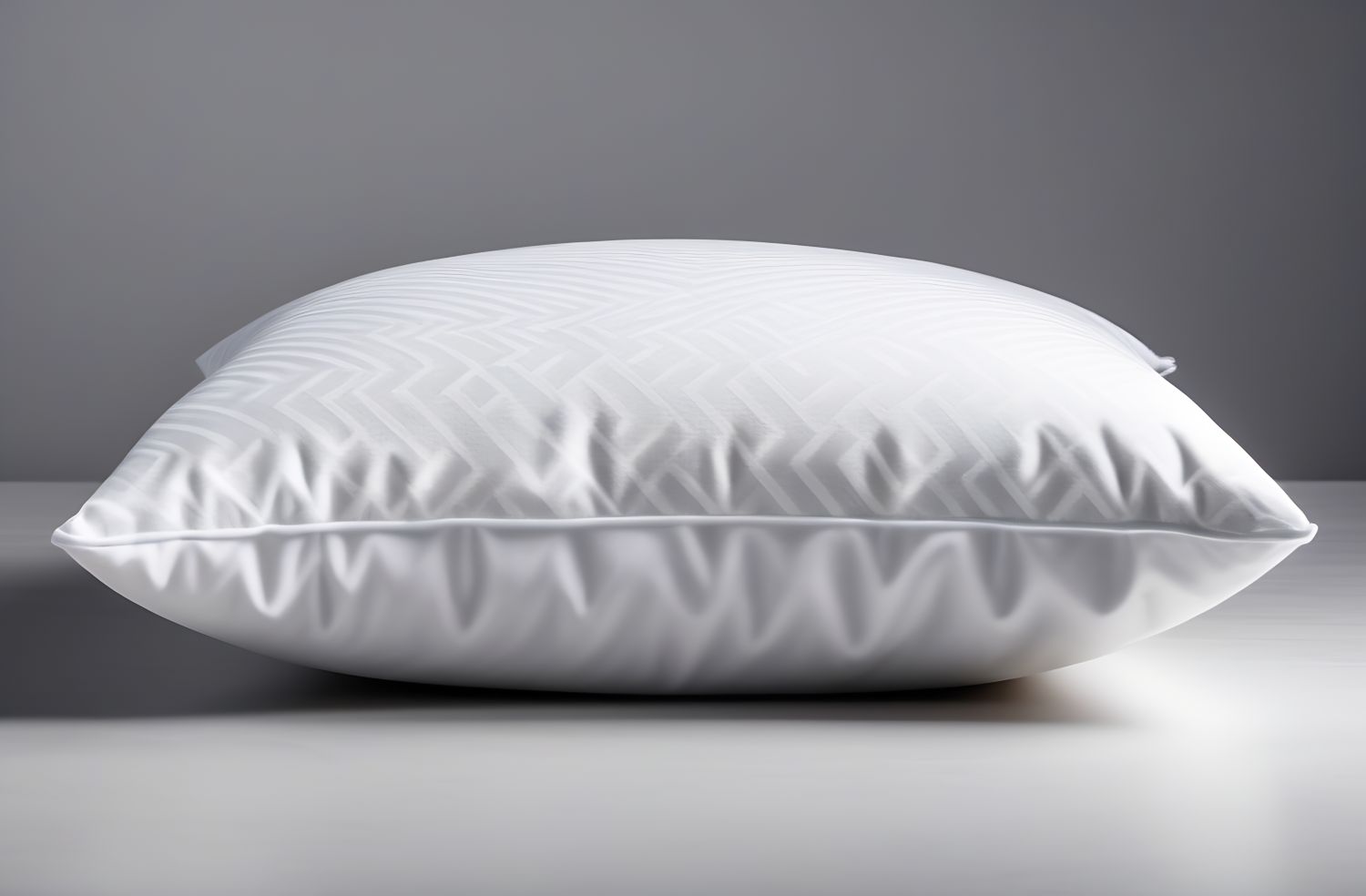
A restful night’s sleep begins not just with a comfortable mattress, but also with the right pillowcase. The fabric that cradles your head can significantly impact sleep quality, skin health, and even allergy management. In this guide, we delve into essential factors such as material choices, sizing compatibility, and thread count, while also addressing specific needs like hypoallergenic options. Discover how selecting the perfect pillowcase can transform your nightly routine into a sanctuary of comfort and rejuvenation.
The Importance of Sleep Quality
Research indicates that quality sleep can enhance productivity by as much as 20% and significantly reduce stress levels. Selecting the appropriate pillowcase is integral to achieving improved sleep quality.
Materials such as silk can decrease friction on the skin and hair, thereby minimizing the likelihood of breakouts and tangles.
Cotton, particularly breathable varieties, is effective in regulating temperature, ensuring a cool sleeping environment throughout the night. For individuals who suffer from allergies, hypoallergenic options are advisable, as they can diminish irritants in the sleeping environment.
According to a study conducted by the National Sleep Foundation, optimizing sleep conditions, including the selection of pillowcase fabrics, can contribute to deeper sleep cycles, thereby enhancing overall daily performance.
Materials Matter
Selecting the appropriate material for your pillowcase is essential for optimizing comfort and facilitating a restful sleep environment.
Cotton vs. Satin
Cotton pillowcases are available in a price range of $20 to $150, depending on their quality, while satin pillowcases typically begin around $30 and can reach up to $200 for luxury options.
When comparing cotton and satin, it is important to consider factors such as breathability and moisture-wicking properties. Cotton is well-regarded for its breathability, making it particularly suitable for warmer climates; in contrast, satin provides a silky texture but may retain heat.
Regarding maintenance, cotton pillowcases are generally machine-washable and known for their durability, while satin pillowcases require gentle washing to preserve their luster.
High-quality cotton options, such as those from Brooklinen, priced at $60, offer both softness and durability. On the other hand, luxury satin varieties from Slip, priced at $80, promise a sumptuous sleeping experience.
The choice between these options should be guided by the specific climate and individual sensitivity to temperature.
Bamboo and Other Alternatives
Bamboo pillowcases are gaining increasing popularity due to their hypoallergenic properties and environmentally friendly production methods, typically priced between $30 and $100.
Plus bamboo, silk pillowcases provide distinct advantages, such as minimizing friction on hair and skin, which can aid in preventing split ends and reducing the appearance of wrinkles.
The care requirements for both materials differ: bamboo can be washed in a machine on gentle cycles, whereas silk necessitates hand washing or dry cleaning to maintain its luster.
The environmental implications are noteworthy; bamboo grows rapidly and requires less water, rendering it a sustainable option, while conventional silk production can be resource-intensive.
When selecting eco-friendly bedding, it is important to consider these factors to ensure a balance between quality, comfort, and sustainability.
Pillowcase Sizes and Compatibility
Understanding pillowcase sizes is essential to ensure compatibility with your pillows and to maximize comfort for a restful sleep experience.
Standard vs. King Sizes
Standard pillowcases are typically sized at 20×26 inches for standard pillows and 20×36 inches for king-sized pillows, which significantly impacts fit and comfort. Selecting the appropriate pillowcase size is crucial for maintaining optimal sleep comfort.
For standard pillows, it is advisable to choose a 20×26 inch case to ensure a snug fit, preventing issues such as slipping and bunching. Conversely, king-sized pillows, which are well-suited for larger beds or for individuals requiring additional head and neck support, necessitate a 20×36 inch case to provide adequate coverage.
When making a selection, it is important to consider both your mattress size and personal preferences; for those who tend to move during the night, a looser fit may be more advantageous. Additionally, the choice of materials, such as cotton or bamboo, can influence temperature regulation and texture, thereby enhancing the overall sleep experience.
Choosing for Specialty Pillows
Specialty pillows, such as those designed for neck support or travel, often necessitate custom-sized pillowcases to ensure an appropriate fit and optimal support.
When selecting pillowcases for specialty pillows, it is essential to consider both the material and size. For travel pillows, lightweight and breathable fabrics such as cotton or microfiber are recommended, as they enhance comfort during extended journeys.
Neck support pillows frequently feature unique shapes, which may require specific contours or removable covers to accommodate their design.
It is advisable to seek brands that provide specialty sizes or adjustable options. For instance, the Coop Home Goods adjustable neck pillow includes a removable cover that conforms to its distinctive shape, offering a versatile solution tailored to individual sleep requirements.
Thread Count Explained
Thread count is an important metric that can significantly affect the feel and durability of pillowcases, typically ranging from 200 to 1500.
What is Thread Count?
Thread count refers to the number of threads woven into a square inch of fabric, which can significantly influence both softness and durability. A higher thread count typically indicates a denser, softer fabric that enhances comfort and longevity.
For example, pillowcases with thread counts ranging from 300 to 600 are generally regarded as high-quality and provide a luxurious experience.
Brands such as Brooklinen offer a 480-thread-count percale pillowcase, known for its crisp finish, while their 600-thread-count sateen option made from Egyptian Cotton provides a plush, silky texture.
It is essential to consider thread count in conjunction with other attributes, such as material and weave type, to ensure an optimal sleep experience.
Finding the Right Balance
The optimal thread count for pillowcases typically ranges between 300 and 600, achieving a suitable balance between softness and breathability.
For cotton pillowcases, a thread count of 400 provides a luxurious feel while still ensuring adequate breathability. If durability and wrinkle resistance are priorities, one may consider blends such as cotton-polyester, which perform effectively at a thread count of approximately 300.
For environmentally conscious choices, organic cotton pillowcases often feature a lower thread count but still maintain softness and comfort. Evaluating a variety of options can assist in identifying the best fit for individual sleep preferences, thereby enhancing overall sleep quality.
Allergies and Skin Sensitivity
For individuals with allergies or sensitive skin, selecting the appropriate pillowcase can substantially minimize irritation and enhance sleep quality.
Hypoallergenic Options
Hypoallergenic pillowcases are specifically engineered to resist dust mites and other allergens, typically ranging in price from $20 to $80.
When selecting hypoallergenic materials, silk is an excellent choice due to its smooth texture and natural resistance to dust mites. Alternatively, bamboo is recognized for its breathability and moisture-wicking properties.
For instance, the LUCID Ultra Soft Bamboo Pillowcase is highly rated and available for approximately $25, while the SLUMBERLUX Silk Pillowcase, priced around $60, provides exceptional softness.
It is advisable to choose options that are machine washable and free from harmful chemicals, thereby enhancing both comfort and safety while promoting a healthier sleep environment.
Benefits for Sensitive Skin
Utilizing a pillowcase crafted from breathable and moisture-wicking materials can significantly enhance comfort and reduce skin irritation. Selecting fabrics such as bamboo, silk, or microfiber can provide substantial benefits for individuals with sensitive skin.
Bamboo pillowcases possess natural antibacterial and hypoallergenic properties, which help to minimize allergens and potential irritation. Silk pillowcases offer a smooth surface that reduces friction, thereby preventing hair breakage and allowing the skin to retain moisture effectively. Additionally, microfiber is breathable and less likely to harbor dust mites.
By transitioning to these materials, individuals can not only improve their overall sleeping experience but also promote healthier skin, thereby minimizing the risk of breakouts and discomfort.
Maintenance and Care
Proper maintenance of pillowcases is essential for ensuring their longevity and sustained comfort.
Care instructions may vary depending on the specific material used in the pillowcases.
Washing and Drying Tips
To ensure optimal care, it is recommended to launder cotton pillowcases in cold water and dry them on a low heat setting to prevent shrinkage and wear, ideally on a weekly basis.
In the case of stained pillowcases, it is advisable to pre-treat the stains with a mixture of baking soda and water, allowing the fabric to soak for 30 minutes prior to washing. It is important to avoid the use of fabric softeners, as they can gradually break down the cotton fibers over time.
For white pillowcases, a diluted solution of hydrogen peroxide may be employed to maintain brightness without the use of harsh chemicals. Additionally, rotating pillowcases on a weekly basis will help to distribute wear evenly and extend their lifespan.
Adhering to this straightforward routine will help keep your pillowcases fresh and comfortable for an extended period.
Longevity of Pillowcases
High-quality pillowcases can endure for up to five years when properly maintained, making them a valuable investment for enhancing sleep quality.
To optimize the lifespan of pillowcases, it is essential to consider factors such as material composition, washing practices, and environmental conditions.
- For example, cotton pillowcases are known for their durability and breathability; however, they should be laundered in cold water to prevent shrinkage.
- In contrast, silk pillowcases, which offer a luxurious experience, necessitate careful handling and should ideally be hand-washed or placed in a mesh bag when washed in a machine.
Pillowcases should be stored in locations that are shielded from direct sunlight and humidity to prevent deterioration. Additionally, regularly inspecting for signs of wear and replacing them as needed can contribute to a more comfortable and enduring investment in sleep quality.